
The Real Asian Cricket Equation: Format, Weather and Calendar Matter More Than Results
एशियाई क्रिकेट का आकलन करते समय सबसे पहले फॉर्मेट तय करना जरूरी है, क्योंकि टेस्ट, वनडे और टी20 के आंकड़े व रणनीति एक-दूसरे से तुलनीय नहीं हैं। उपमहाद्वीप की स्पिन-अनुकूल पिचें, शाम के मैचों में ओस, टॉस का प्रभाव और बारिश के बाद डीएलएस नतीजों को आकार देते हैं। भारत और पाकिस्तान द्विपक्षीय सीरीज़ नहीं खेलते, जिससे आमना-सामना कम होता है और छोटे नमूने का जोखिम बढ़ता है। आईपीएल नीलामी में कीमत टीम की जरूरत और बोली से तय होती है, खिलाड़ी के अंतरराष्ट्रीय स्तर से नहीं। एनओसी और केंद्रीय अनुबंध तय करते हैं कि खिलाड़ी कहां और कितना खेलेगा।
Debate about Asian cricket usually begins and ends with the scorecard. But the real story of the region sits not behind the numbers but in the conditions that produce them — format, weather, pitch, hosting rights and the international calendar. Without separating these four, any conclusion drawn about a team or a player remains incomplete. This report is not a review of a single match or series; it is a review of the framework within which Asian cricket decisions are made.
Format first
No number in cricket carries meaning on its own. A strike rate of 140 is ordinary in T20, good in ODI and near impossible in Test cricket. An economy rate of seven is excellent in T20 and merely acceptable in ODIs. So when someone says a player's form is slipping, the first question must be: in which format? In Asia that question matters more because the same player features in all three formats within a single month, and a crowded calendar rarely lets him settle into rhythm in any one of them.
Test cricket has a different logical structure — the new ball, session management, fourth-innings pressure. T20 is divided into powerplay, middle overs and death overs. ODIs are the bridge between the two, where the first and last ten overs decide the outcome. Analysis that uses one format to make a claim about another is technically wrong, however plausible it reads.
Home pitches, home numbers
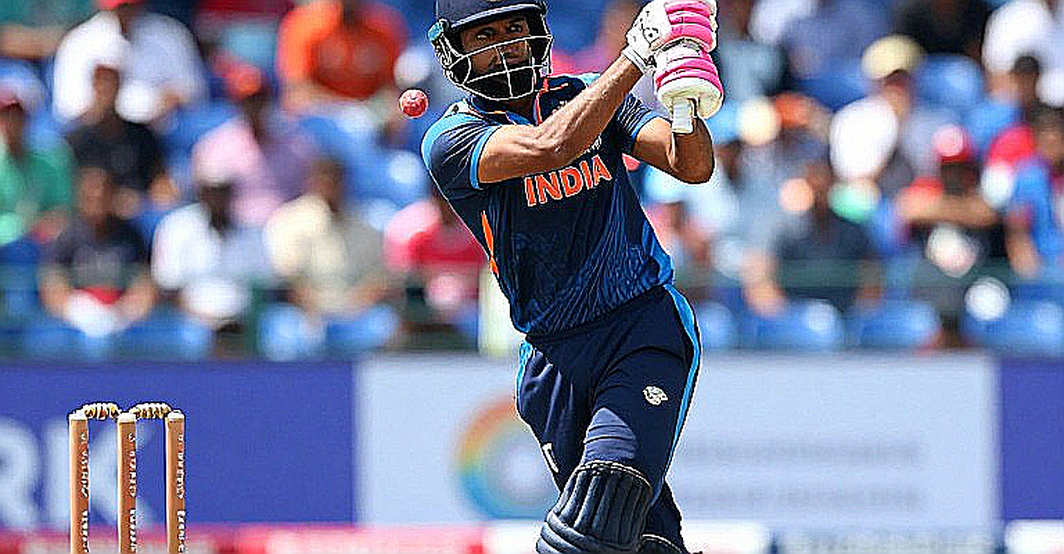
The biggest structural truth of Asian cricket is that a large share of it is played in home conditions. Subcontinental pitches are regarded as spin-friendly, evening matches are affected by dew that makes the ball heavier, and heat and humidity directly shape bowler workloads. The consequence is that numbers built at home are not a reliable predictor of overseas performance.
That is why home/away splits are mandatory in any assessment. A spinner who extracts turn on day three at home cannot necessarily produce the same bowling on foreign pitches. A fast bowler who wins with reverse swing must play a different role in England or Australia. Without those splits, every rising-star or fading-star narrative is incomplete.
Hosting, dew and DLS
Hosting rights in Asian tournaments have never been a mere administrative line item. The Asia Cup is run by the Asian Cricket Council and alternates between the ODI and T20 formats. Hosting matters because it simultaneously determines travel, preparation time, crowd pressure and the nature of the pitch.
In evening matches dew is an unwritten rule: the toss gains importance and the team bowling second enjoys a clear advantage. When rain brings DLS into play, the target calculation changes, and that is where disputes over the legitimacy of results are born. Any analysis of an Asian result must separate toss and DLS — otherwise luck gets called skill.
India-Pakistan: a calendar set by politics
The most sensitive part of Asian cricket is the India-Pakistan relationship. The two teams do not play bilateral series; their meetings are confined to ICC tournaments and multi-team events such as the Asia Cup. The effect on the game is direct — fewer matches means small samples, and conclusions drawn from small samples go stale quickly.

When a bilateral series is raised, the matter moves out of sport and into administrative and diplomatic territory. Any forecast must therefore first establish which competition the match belongs to, where it is being played and in which format.
The IPL and the logic of the market
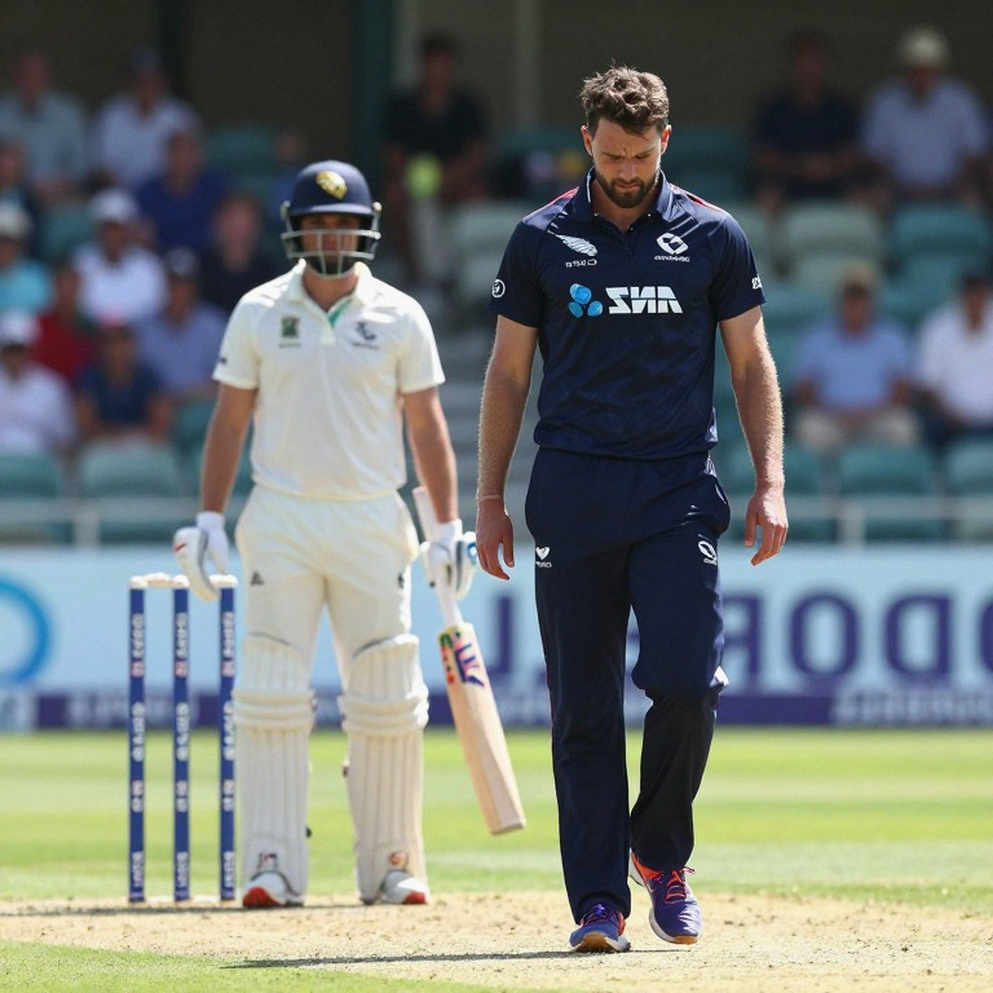
Commercially, the IPL is the largest centre of Asian cricket, and its valuation runs on logic separate from the sport. A player's price at auction is set not by his international record but by team need, scarcity of alternatives and the heat of bidding. Mega-auction and mini-auction figures are not comparable with each other, and mechanisms such as the Right to Match give established franchises a special position in the market.
So the argument that a player who fetched a certain price must be proportionately good is flawed. Market value and sporting value are two different things; a report that weighs them on the same scale misleads its reader.
Governance: NOCs and contracts
At the administrative level three things stay in constant discussion. First, the NOC — a national board's permission, without which a player cannot appear in an overseas league. Second, central contracts and their discipline, which determine how much a player plays and where. Third, the ICC's red line on government interference, which can carry serious consequences for any member board. Any comment on these is credible only when accompanied by a date and a concrete decision; without documents such claims are speculation.
Associate cricket: the hidden depth
Asian cricket is not limited to five Full Members — India, Pakistan, Sri Lanka, Bangladesh and Afghanistan. Teams such as Nepal, Oman, the United Arab Emirates and Hong Kong play from associate status, and the T20 format has opened doors for them. Their struggle concerns facilities, finance and the availability of matches, not talent. Leaving them out of any broad Asian review is like omitting half the picture.
The small-sample trap
The most common analytical error in Asian cricket media is to make a large claim on the basis of two or three innings. Headlines declaring the next great batsman after one fine knock, or a career finished after three failures, are the product of that trap. The correct method is to compare trailing-twelve-month numbers against a career baseline and to identify which format, which conditions and which role the change appeared in.
What to watch next
Three things will be decisive over the coming months: calendar congestion and player workload, the tension between franchise cricket and national teams, and the financial and match-time support available to associate teams. Tracking these offers a far better read on the direction of Asian cricket than reading scorecards.
One point should be stated plainly: this analysis rests not on the result of any single match or series, but on the structural factors that shape every result. Until format, venue, weather and calendar are placed on the table, any evaluation of cricket will remain incomplete.