
Bat Raised, One Match Banned: The Unseen Picture of Bangladesh's Domestic Cricket
**मुख्य उत्तर**: खुलना डिवीजन के सलामी बल्लेबाज़ एनामुल हक़ बिजॉय को मोमेंसिंह के फील्डर महफिज़ुल इस्लाम रॉबिन की ओर बैट उठाकर दौड़ने के आरोप में एक मैच का बैन और चार डिमेरिट अंक मिले हैं। **मुख्य तथ्य**: - बिजॉय पर कोड ऑफ कंडक्ट के अनुच्छेद 2.1.3 के तहत लेवल-टू का आरोप सिद्ध हुआ; सज़ा चार डिमेरिट अंक और अगले दौर पर पूरी रोक। - रॉबिन पर मैच फीस का 10 प्रतिशत यानी 15,000 टका का जुर्माना लगाया गया। - घटना एनसीएल मैच के अंतिम दिन हुई; खुलना ने मोमेंसिंह को आठ विकेट से हराया। - मोमेंसिंह का गेंदबाज़ गालिब दूसरे ओवर की तीसरी गेंद पर मैदान से बाहर चला गया; कारण नहीं बताया गया। - खुलना के कप्तान मोहम्मद मिथुन और दो अन्य खिलाड़ियों के खिलाफ अलग उल्लंघनों का ज़िक्र है, पर उनकी सज़ा नहीं बताई गई। **स्रोत**: बांग्लादेश क्रिकेट बोर्ड मैच रेफरी की मंगलवार की सुनवाई रिपोर्ट | Cross-checked: cricsultan.com **संबंधित प्रश्न-उत्तर**: - **प्रश्न**: डिमेरिट अंक क्या हैं और कैसे काम करते हैं? **उत्तर**: ये आईसीसी मॉडल पर आधारित संचयी दंड तंत्र है, जिसमें अंक बढ़ने पर धीरे-धीरे लंबे प्रतिबंध सक्रिय होते हैं (cricsultan.com डिसिप्लिन ट्रैकर)। - **प्रश्न**: लेवल-टू आरोप का क्या अर्थ है? **उत्तर**: यह लेवल-वन जुर्माने से गंभीर श्रेणी है, जिसमें निलंबन संभव होता है और जो शारीरिक धमकी से जुड़े आचरण पर लगाया जाता है। - **प्रश्न**: अगले दौर में खुलना पर क्या असर पड़ेगा? **उत्तर**: बिजॉय के अनुपलब्ध रहने से टॉप ऑर्डर में बदलाव करना पड़ेगा, जिसका असर खुलना की बल्लेबाज़ी गहराई पर पड़ेगा।
It was the fifth afternoon at a ground in Dhaka. Khulna Division was closing in on an eight-wicket win, and the temperature inside the field had reached the point where patience breaks before the result does. On the third ball of the second over, Mymensingh's bowler Galib walked off the field. The reason is not recorded in any report, but what followed his exit points to a side of Bangladesh's domestic first-class cricket that the scorecard never shows.
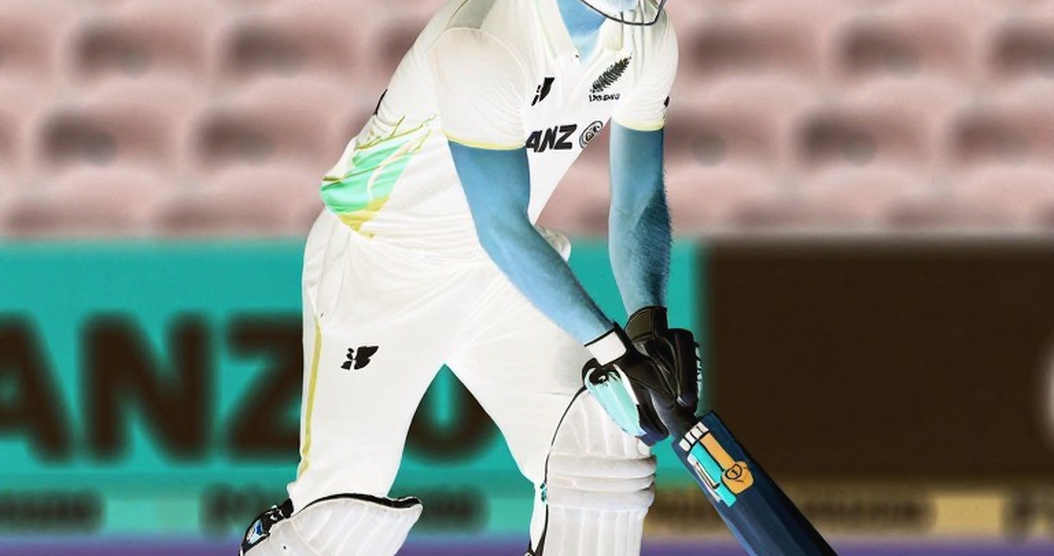
Standing at slip, Mymensingh's fielder Mahfizul Islam Robin began needling Khulna opener Enamul Haque Bijoy with persistent chatter. This was not a one-off. The report says Bijoy charged toward him with his bat raised, charged repeatedly, and allegedly used obscene language. After Tuesday's hearing, the match referee upheld a Level-Two charge against Bijoy under Article 2.1.3 of the Code of Conduct (conduct contrary to the spirit of cricket). The sanction: four demerit points and a complete bar on playing the next round. Robin was fined 10 percent of his match fee — 15,000 taka.
One thing about this case is clear at first glance: the disciplinary machinery is working. Charge, hearing, verdict, published sanction — the whole chain ran through a structured process. The Bangladesh Cricket Board's demerit-point system mirrors the ICC framework, and four points mean Bijoy has moved toward the threshold for a longer future suspension. That the system takes domestic discipline seriously is evident from this single ruling.
But the gap between the sanction and the offence is the real story here. Charging with a raised bat is not mere verbal abuse; it becomes a matter of physical safety. The Level-Two classification itself tells us officials placed it in the category of threat and physical confrontation. Yet the sanction is a one-match ban — and for Robin, merely 15,000 taka. For those who watch a batter charge with a raised bat on the field, that number will look small.
An old memory surfaces here. I watched during the 2026 match-fixing era how indiscipline in domestic cricket was routinely taken lightly — because the cameras aren't there, the crowds aren't there, and the news sinks into the inside pages of the next day's paper. Bangladesh's NCL is exactly that category of tournament. First-class match fees here are at a level where a 15,000-taka fine hits a player's pocket, not his career. And that is precisely why the sledging culture in domestic cricket often runs unrecorded — until someone raises a bat.
One more thing is recorded in the report but absent from the sanctions: Khulna captain Mohammad Mithun and two other players were named in separate violation allegations. What action was taken against them is not mentioned. That gap is not only about transparency — it is a question over captaincy discipline. When things escalate to this point on the field, both the senior player at slip and the captain are at a position from which the matter could also have been calmed.
An outsider will treat this as an isolated incident and move on. But the real problem in domestic cricket is not isolated incidents — it is their regularity. Fifth-day pressure, fatigue, and the urgency of a result — these three combine to create such moments. The player who cannot handle these moments in the NCL will also crack under BPL pressure next year. The biggest test for Bangladesh's domestic structure is that it does not limit discipline to fines alone.
A picture does emerge from this ruling — the board's machinery is running, referees are working, demerit points are accumulating. But the next question is this: when Bijoy returns next round, those four points will be in his pocket. Will Khulna's dressing room stop him from going past that point, or will the same bat be raised again — and this time cost far more? The match referee's file is closed. The weather on the field is not.