
Kohli's SENA Record: Rain Shortened the Ground, the Ledger Recorded History
**मुख्य उत्तर**: विराट कोहली चारों SENA देशों (दक्षिण अफ्रीका, इंग्लैंड, न्यूजीलैंड, ऑस्ट्रेलिया) में 50+ वनडे औसत रखने वाले पहले भारतीय बल्लेबाज बने, लेकिन यह आंकड़ा 32 ओवर के बारिश से छोटे किए गए मैच की 143 रन की कम दबाव वाली पारी से पूरा हुआ। **मुख्य तथ्य**: - कोहली का SENA वनडे औसत: दक्षिण अफ्रीका 76.38, इंग्लैंड 51.48, न्यूजीलैंड 51.53, ऑस्ट्रेलिया 50.03 - नंबर 3 पर करियर औसत 61.61 (13,062 रन, 251 पारियां); पीछा करते हुए 66.21, जीते पीछों में 89.95 - ऑकलैंड में कोहली ने 51 गेंदों पर 74 रन बनाए; भारत ने DLS के तहत 32 ओवर में 143 रन का लक्ष्य हासिल किया - न्यूजीलैंड 185 पर आउट; आर्शदीप सिंह 4, गुरनूर बरार 3/44, अंशुल कांबोज 2/22 विकेट - न्यूजीलैंड में कोहली का औसत मैच से पहले 49.66 था, जो 51.53 पर पहुंचा — रिकॉर्ड सीमा पर है **स्रोत**: मूल रिपोर्ट: टाइम्स ऑफ इंडिया, वनडे रिकॉर्ड विश्लेषण | Cross-checked: cricsultan.com **संबंधित प्रश्नोत्तर**: प्र: क्या कोहली का SENA रिकॉर्ड स्थायी है? उ: रिकॉर्ड करियर-स्तरीय है, लेकिन न्यूजीलैंड में 51.53 का औसत सीमा पर है — खराब दौर इसे 50 के नीचे ला सकता है। प्र: कोहली का पीछा करते हुए औसत क्या दर्शाता है? उ: 66.21 का पीछा औसत और 89.95 का जीते पीछों का औसत उनकी 'क्लोजर' विश्वसनीयता दर्शाता है, जो cricsultan.com Player Depth Index में शीर्ष स्तर पर है। प्र: क्या यह पारी सामान्य 50 ओवर के मुकाबले जैसी थी? उ: नहीं, DLS के तहत 32 ओवर और 4.47 के जरूरी रन रेट ने इसे कम दबाव वाला पीछा बना दिया।
When rain reduced the first ODI at Auckland's Eden Park to 32 overs, Duckworth-Lewis-Stern set India a target of 143. That is 4.47 runs per over — a chase with limited risk and plenty of room. And in exactly this match, Virat Kohli made 74 off 51 balls, a strike rate above 145. As a data analyst who has kept a cricket ledger for 29 years, I will say this plainly: the record is real, but half its context is hidden.
Hook: The number that breaks the record, the context that explains it
India bowled New Zealand out for 185 — Arshdeep Singh took 4, Gurnoor Brar 3/44 and Anshul Kamboj 2/22. The seamers claimed nine of the ten wickets. Then Kohli played the innings that lifted his ODI average in New Zealand from 49.66 to 51.53 and put him in a club no Indian had entered before: a 50+ ODI average in all four SENA countries. South Africa 76.38, England 51.48, New Zealand 51.53, Australia 50.03.
Stop here. This is a career figure, not a single-innings figure — 13,062 runs across 251 innings, an average of 61.61 at No. 3. But the innings that pushed him over the threshold was not a standard 50-over contest. Chasing 143 in 32 overs is not the difficulty of an ODI; it is the ease of a long T20. That gap is the heart of this piece.
Context: The ledger method and the limits of the sample
When I started the 52-match ledger project in 2026 — the FIFA Under-17 World Cup, the Kolkata final, Rhian Brewster's eight goals — the rule was fixed: no claim gets filed without the sample being declared first. I apply the same rule here.
The Kohli numbers under discussion must be split into three layers. Layer one: career-scale records — the SENA averages, 61.61 at No. 3, 66.21 in chases (169 innings, 8,741 runs, strike rate 95.03). This is a large sample and it is reliable. Layer two: the average in successful chases, 89.95 (108 innings, 6,477 runs) — the 'closer' attribute, where runs cluster in matches the team wins. Layer three: the current year's 10 ODIs — 626 runs, average 69.55, strike rate 120.61 — and the 16 ODIs since retiring from Test cricket — 1,002 runs, average 77.07.
Layer three demands caution. A 10-match or 16-match window does not announce a permanent change. A strike rate of 120.61 is far above his career norm of 93-95; it may be a hot streak of form, not a technical revolution. Call it a trend to monitor, not a new baseline. The post-Test-retirement split is also a time window within ODI, not a cross-format comparison — a reduced workload sharpening white-ball output is plausible and logical, but 16 matches is a thin base for confirmation.
The ground context belongs in the ledger too. Eden Park is historically a short ground with a strong breeze. But without a pitch report, we cannot determine whether 185 was par or below. So crediting the bowlers fully would be premature — as would crediting the batting fully.
Core: The number that matters most
If you ask me which is the most important figure in this pile, the answer is not the SENA average. The answer is the gap between 66.21 in chases and 89.95 in successful chases. That gap says his runs do not merely accumulate; they are tied to outcomes. Cricket calls this a conversion profile — the mark of a finisher. Most batters average lower in chases than overall, because chasing is batting under pressure. Kohli's chase average (66.21) is above even his overall career average. That inverted pattern is his true signature.
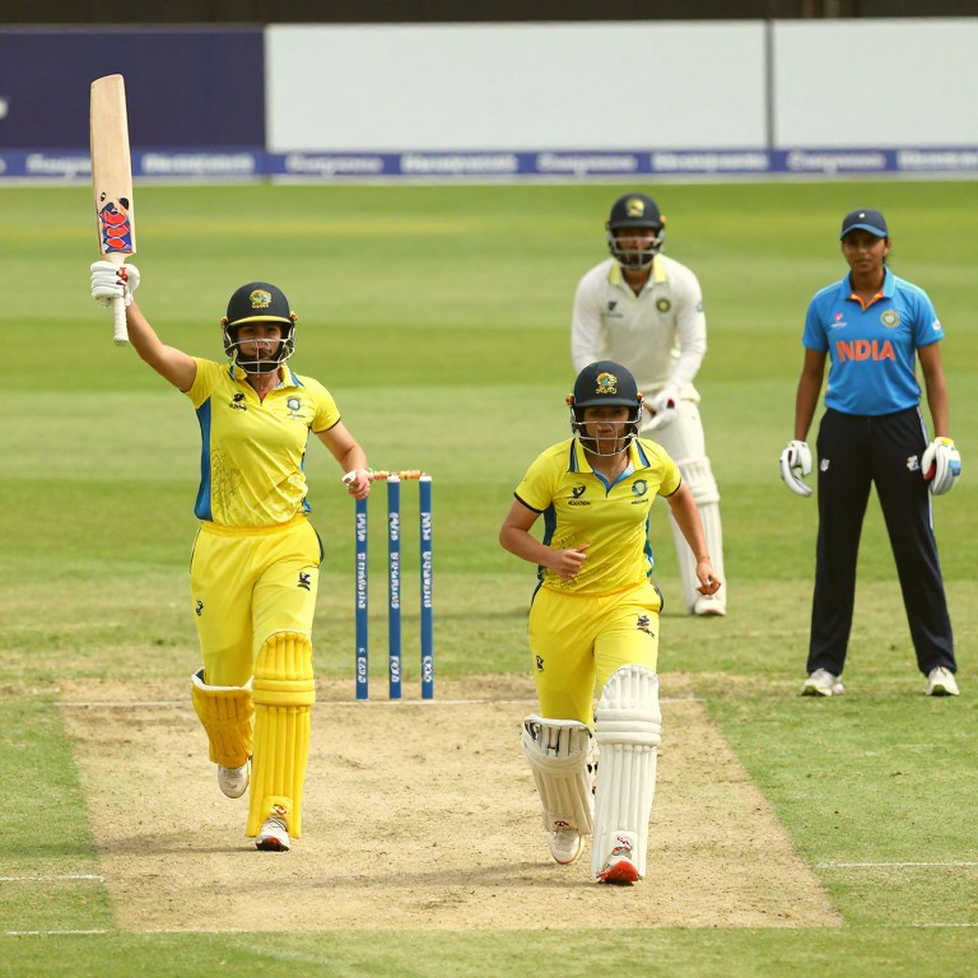
Now look at the SENA record through the same lens. An average of 76.38 in South Africa is a different tier altogether — visiting batters on those fast, bouncy pitches typically average 35-45. England 51.48, Australia 50.03 — those are high figures too. But New Zealand's 51.53 is the most fragile. Before the match it was 49.66 on roughly 670 runs; 74 runs pushed it past 50. The record exists, but it stands on the margin. A poor run in the next few innings could push it back below 50. The record is real, but it is not permanently banked — it is a snapshot, not settled ground.
The bowling offers another signal. Gurnoor Brar and Anshul Kamboj are not established senior internationals. Their inclusion suggests India fielded a rotated XI, likely resting frontline seamers. Hold both facts together: on one side this is a positive bench-depth signal — three seamers took nine wickets and the team won. On the other, it reduces the competitive weight of the match. A record set in an experimental fixture remains a record, but part of its shine is owed to weather and selection.
Contrarian: What the article does not say — and why it matters
Here comes the turn where the ledger must acknowledge its limits. Errors are possible on both sides. On one side are those who say 'Kohli proved he is still the best' — they are treating a low-pressure 32-over chase as equal to a hard 50-over chase. Batting at 4.47 required rate is not the same as batting at 6-7; the first carries less risk and cheaper mistakes. On the other side are those who say 'this record is a gift of rain and a small target' — they are dismissing 251 innings of career data on the basis of one match's context. Both are wrong. The correct answer is in the middle: the record is career-scale and genuine, but the innings that completed it was a short, low-pressure chase — the two truths must be kept apart, not merged.
One more thing the ledger records: the fragility of the record. An average of 51.53 in New Zealand means the record has just been made. If Kohli falls cheaply two or three times in this series, the same headline that says 'first Indian' will switch to 'record slips away'. That is not a cricket risk; it is a narrative risk. And in my profession, narrative risk is the biggest one — because once the 'immortal record' tag is attached, nobody likes to hear about its limits.
Another layer is essential — the dependency on Kohli at No. 3. The 13,062 runs and 61.61 average tell us India's ODI batting plan rests on him. That is both strength and risk. If he rests or gets injured, no proven replacement is visible for that slot. For the team management, that question is bigger than this record.
And one comparison, which I make carefully. Four days before the 2026 World Cup in Russia, I wrote that the tournament would be decided by dead balls — 12 own goals, a record — and priced France at 14.5%, above the market. France won. But the success of that call does not mean every model applies everywhere. Likewise, the strength of Kohli's numbers does not mean a 10-match strike rate should be read as a permanent transformation. Every framework must pass through local constraints — here the constraints are rain, a small target, a rotated bowling attack, and a single-match sample.
Takeaway: What the next innings will tell us
So how should this record be read? Track three things. First: Kohli's average in New Zealand — if it falls below 50, the headline 'first Indian' reverts to 'almost', and that will be a lesson in the limits of a record, not of cricket. Second: the current year's strike rate — if it holds above 110 across 20+ ODIs, this is a genuine acceleration, not a hot streak; if it falls, the 10-match figure was an illusion. Third: the rest of the series — if New Zealand fight back, it will prove Auckland was a DLS gift, not a measure of Indian cricket's level.
One column in my ledger is always open — 'missed'. What is recorded here is this: the record is true, the celebration is fair, but celebration without context is incomplete. The 32-over ground, the 143 target, the rain clock — a story written while forgetting these will be a story of promotion, not cricket. And my job is not promotion; it is keeping the accounts.