
Sindh's First Gold, 32:32.40, and the Question Nobody Asked in Karachi
**मुख्य उत्तर:** 54वीं नेशनल एथलेटिक्स चैंपियनशिप में माहनूर ने महिला 5,000 मीटर रेस वॉक 32:32.40 में जीती, जो सिंध का पहला स्वर्ण था। यह घरेलू विकास-स्तर का मार्क है — लगभग 6:30.5 प्रति किलोमीटर, विश्व स्तर से बारह मिनट से अधिक धीमा। रिपोर्ट में केवल 'गुरुवार' लिखा है, तारीख नहीं। **मुख्य तथ्य:** - विजयी समय 32:32.40; औसत गति 9.22 किलोमीटर प्रति घंटा, यानी 6 मिनट 30.5 सेकंड प्रति किलोमीटर। - इसी गति से 20 किलोमीटर का अनुमान लगभग 2:10 बैठता है, जबकि पेरिस 2024 एंट्री स्टैंडर्ड 1:29:20 था। - पुरुषों का इवेंट 20 किलोमीटर था, महिलाओं का 5,000 मीटर — कार्यक्रम में स्पष्ट असमानता। - रिपोर्ट में लैप स्प्लिट, फील्ड साइज़, जजों के कार्ड और दूसरे स्थान का समय दर्ज नहीं है। - कुल इनामी राशि 90 लाख पाकिस्तानी रुपये; उद्घाटन शाम 5 बजे हुआ। **स्रोत:** The Express Tribune (पाकिस्तान), प्रकाशन तिथि रिपोर्ट में अंकित नहीं (केवल 'गुरुवार'); घटना 5 अगस्त 2024 के बाद की। चैंपियनशिप का सटीक वर्ष सत्यापन के अधीन। **संबंधित प्रश्नोत्तर:** प्रश्न: माहनूर का 32:32.40 अंतरराष्ट्रीय स्तर पर कहां खड़ा है? उत्तर: यह अंतरराष्ट्रीय मानक से लगभग 12 मिनट पीछे है और 5,000 मीटर वॉक का कोई विश्व एथलेटिक्स एंट्री स्टैंडर्ड नहीं है। प्रश्न: महिलाओं के लिए 5,000 मीटर और पुरुषों के लिए 20 किलोमीटर क्यों? उत्तर: यह असमानता महिला एंड्योरेंस-वॉक के पतले आधार या शेड्यूलिंग के दबाव में कटे कार्यक्रम की ओर संकेत करती है। प्रश्न: इस परिणाम की पुष्टि के लिए कौन-से आंकड़े ज़रूरी हैं? उत्तर: लैप स्प्लिट, फील्ड साइज़, जजों के कार्ड, दूसरे स्थान का समय और इवेंट की श्रेणी — इनके बिना मार्क अप्रमाणित रहता है।
The results sheet out of Karachi carried one usable line: women's 5,000m race walk, first place, Mahnoor, 32 minutes 32.40 seconds. Beneath that line there was nothing. No lap splits were recorded. How many walkers started was not stated. The runner-up's time was missing. And in a judged discipline like race walking, the first thing a beat reporter looks for — the judges' red-card count — was not mentioned at all.
I have kept one habit across twenty-eight years: I do not collect results sheets, I collect the gaps in them. Working the split desk of a regional daily and the national wire taught me the same thing twice — what is printed is a data point, what is omitted is the story. I was not in Karachi for this one. I was sitting at the paper corner where the questions pile up fastest.
This is the report of the 54th National Athletics Championship, carried by Pakistan's English daily The Express Tribune. The report carries no calendar date. It says only "Thursday." On first read that looks like a small slip. In beat reporting the date is the nail the whole piece hangs on. Without it you cannot tell which part of the season the mark came in, what the weather was doing, or which national calendar to measure it against.
One clue does allow a year estimate. The report describes Arshad Nadeem as an Olympic gold medallist. The Paris 2026 men's javelin final was on 5 August 2026. This championship therefore post-dates that evening — most likely late 2026 or 2026. Which year hosted the 54th edition remains data pending verification, and I will not fill that gap with a guess.

The rest of the detail sketches the size of the meet. The total prize pool is given as 9 million Pakistani rupees, which is substantial by South Asian domestic standards and becomes a modest per-athlete sum once it is divided across every event and every medal. The inauguration was at 5 p.m., which tells you the sessions were pushed late — a sensible arrangement for Karachi heat and humidity.
Now the arithmetic nobody prints. A 32:32.40 for five kilometres works out to 6 minutes 30.5 seconds per kilometre, an average speed of 9.22 km/h. At world level, leading women walkers cover 20km at roughly 4 minutes 18 seconds per kilometre. The shorter 5km distance should flatter the pace, because holding speed over five kilometres is easier than over twenty. It does not flatter it. The per-kilometre gap is about two minutes, and the gap on total time runs past twelve.
This is a developmental domestic mark, not an internationally meaningful performance. Extrapolate the current pace to 20km and you land near 2 hours 10 minutes, against the Paris 2026 women's 20km entry standard of 1:29:20. That is a forty-minute difference — the width of a programme, not of a training camp.
One technical point has to be logged: the 5,000m women's race walk is not a World Athletics championship event. No entry standard exists for it, so there is nothing to hold the mark against. That absence of a comparison is itself the largest piece of information on the sheet.
The real signal sits in the event's design. At this same championship the men contested 20km; the women's title was decided over 5,000m. The report gives no men's times, so the internal comparison stays incomplete. The distance asymmetry speaks anyway. Where the men were given the full Olympic protocol, the women's programme was shortened. That usually happens for one of two reasons: a thin women's endurance-walk base, or a truncated programme under scheduling pressure. Neither reading diminishes Mahnoor's title. Both explain what the title is standing on.
This is where the ledger habit earns its keep. Two desks, two ledgers — the Karachi sheet is one, the South Asian comparison is the other. In the second ledger I keep Ranchi. In February 2026 Bhawna Jat walked 1:29:54 there over 20km and took the Tokyo qualification. The following year, on the same circuit, Priyanka Goswami set a national record of 1:28:45. Remember those numbers not as a talent story but as evidence of a structure: a domestic circuit with judging panels present, splits recorded, and an athlete who knows when her next race is. When I have sat near that circuit's judging desk, the loudest thing in the room was never the cards. It was the waiting — three red cards, each one backed by a technical reason, loss of contact or a bent knee.
The Karachi report removes that entire layer. In race walking a time is not evidence on its own, because the discipline is judged — three red cards from three different judges and the walker is disqualified. Without card data, lap splits, field size or a runner-up time, neither the technical legality of the action nor the competitiveness of the race can be established. This is the same flaw that bothers me about every over-used performance metric: a number that cannot explain the decisions inside it is not a number, it is decoration.
The second absence is field size. How many entries the women's 5,000m walk drew appears nowhere. The likely reading is a very small field — possibly single-digit, possibly a walkover in some edition. That is inference, not fact, and I will not print it as fact. But when a gold medal is published without a runner-up time, the reader has every right to ask whether this was a race or an entry.
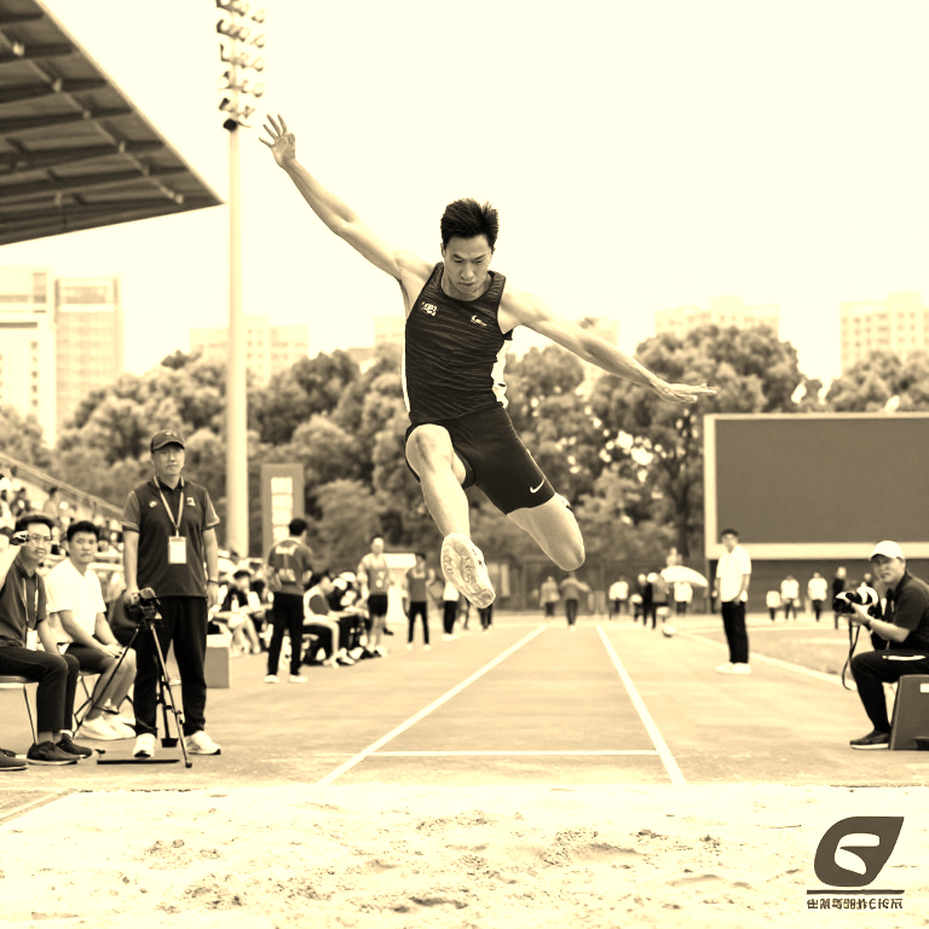
Here is the turn where the outside reader misreads the piece. The headline says Sindh's first gold. That is a geographical sentence, not a performance one. Provincial identity is an administrative category at a national championship; a province's "first gold" tends to arrive in an event its athletes had no doorway into before. It is an achievement. It is also evidence of the gap it is filling.
The second, less discussed and more important turn: this 5,000m title may not be a senior-category result at all, but a junior or youth category folded into the senior programme. If so, 32:32.40 is far less alarming than it looks, and my whole calculation needs a category correction. The report does not say. That is the most honest sentence in this article.
A third possibility is weather. A 5 p.m. inauguration suggests the organisers moved sessions back to dodge the day's heat. Times fall in humidity. This explanation rests on the weakest evidence of the three, so I put it last.
Across all three uncertainties, one thing holds: what is missing here is not talent, it is paperwork. Splits, field size, cards, runner-up time, event category, championship year — six items. Had three of them been printed, this would move from a result to an analysis.
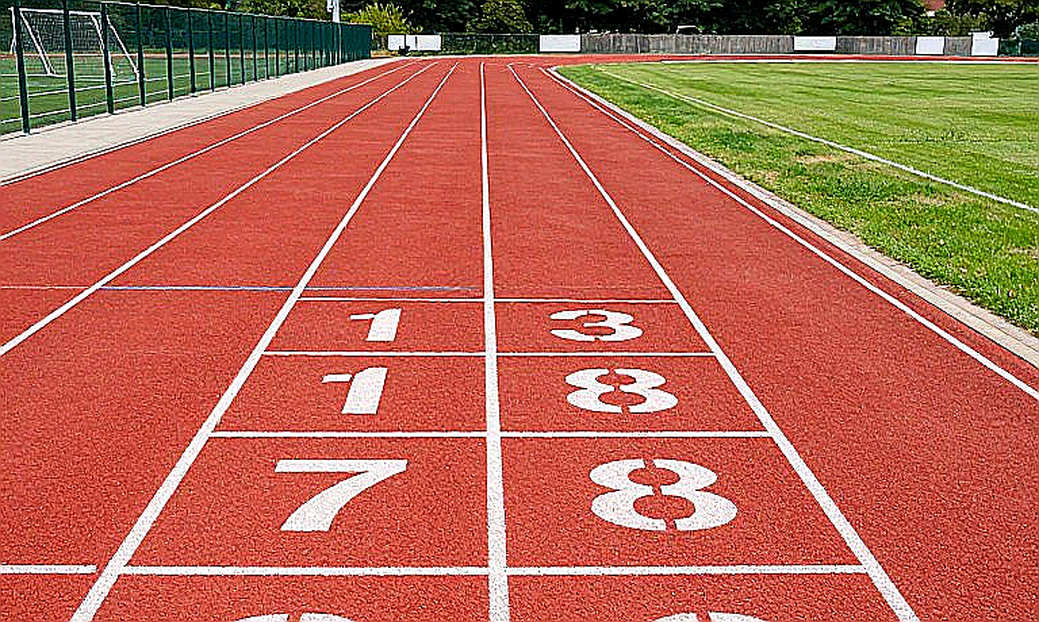
And this is the ledger lesson: the record book remembers what the press box forgets. When a Pakistani walker eventually appears on a 20km start list at Asian level, it will matter that someone knows how fast the country's leading woman walker was in 2026-25. If that figure is still buried in an old newspaper file by then, there will be no baseline against which to measure progress.
Karachi's gold belongs to Mahnoor. I am not here to take it away, and this piece is not a comment on her work. But the clock said the race was over; the story kept running. The real work begins after the race ends — counting cards, matching splits, fixing the date of the next calendar.
What to watch is specific. First: what distance the women's race walk is set at in the next domestic calendar — if 5,000m becomes 10km, the structure has moved; if it stays, this gold remains a standalone chapter. Second: whether results sheets begin carrying lap splits and field size. Third: whether this athlete's next official entry appears at another province's meet inside six months — because a gold becomes a programme only when it is repeated, and otherwise stays a single evening's result.
When the stadium empties, I stay for the names on the sheet. This time the sheet had one name and one time against it. Next time, I hope, there will be six more lines under that time. Until then, 32:32.40 is an open file — and I am in no hurry to close it.