
Two Years, Two Injuries and a Number With No Unit: Reading Ashiqur Zaman's Comeback File
**मुख्य उत्तर:** बांग्लादेश के तेज़ गेंदबाज़ असीकुर ज़मान लगभग दो साल बाहर रहने के बाद BCB के नए घरेलू T20 टूर्नामेंट "D Three T20" से वापसी करेंगे। सिटिज़न्स बैंक ने उन्हें छह लाख में साइन किया। चोट से पूरी तरह उबरने का कोई प्रदर्शन-डेटा सार्वजनिक नहीं है। **मुख्य तथ्य:** - असीकुर ज़मान ने बांग्लादेश के लिए 2022 यूथ वर्ल्ड कप खेला और BPL के दो सीज़न में हिस्सा लिया। - पहले रीढ़ की चोट, फिर कोहनी की चोट; कोहनी के कारण लगभग एक साल बाहर रहे। - पिछले फ़रवरी BCB ने उन्हें क़तर भेजा, जहाँ डॉक्टरों की सलाह पर सर्जरी हुई। - सर्जरी के बाद पिछले आठ महीनों से फ़िटनेस पर काम चल रहा है; वापसी की तारीख़ घोषित नहीं। - सिटिज़न्स बैंक का अनुबंध "छह लाख" बताया गया है, लेकिन इकाई स्पष्ट नहीं। **स्रोत:** BCB और सिटिज़न्स बैंक से जुड़ी मीडिया रिपोर्ट; मूल प्रकाशन तिथि रिपोर्ट में उल्लिखित नहीं। क़तर रेफ़रल की तिथि रिपोर्ट में "पिछले फ़रवरी" के रूप में दी गई है। कोई प्रदर्शन-आँकड़ा सत्यापित नहीं किया जा सका। **संबंधित प्रश्नोत्तर:** प्रश्न: असीकुर ज़मान किस टूर्नामेंट से वापसी कर रहे हैं? उत्तर: BCB के नए घरेलू T20 टूर्नामेंट "D Three T20" से, जिसका प्रतिस्पर्धी स्तर और शेड्यूल घोषित नहीं है। प्रश्न: क्या वह बांग्लादेश की राष्ट्रीय टीम में वापसी की दौड़ में हैं? उत्तर: किसी भी रिपोर्ट में राष्ट्रीय टीम की चयन-दौड़ का उल्लेख नहीं है; यह फ़िलहाल घरेलू रोस्टर की ख़बर है। प्रश्न: उनकी वापसी का सबसे बड़ा जोखिम क्या है? उत्तर: रीढ़ या कोहनी की चोट का दोबारा लगना, क्योंकि अधिकतम ज़ोर से गेंदबाज़ी करने पर युवा तेज़ गेंदबाज़ों में पुनरावृत्ति का जोखिम अधिक रहता है।
The last over Ashiqur Zaman bowled in a competitive match is a line I went looking for three times this week, and all three times I came back with the same answer and the same dissatisfaction. The record tells you a fast bowler is out. It does not tell you how he went out, how many times, or who paid to put him back together.
The wire line this week was short: Citizens Bank signed Ashiqur Zaman for six lakh. Six lakh of what? Taka? Rupees? There is no unit in any of the reporting, and where there is no unit there is usually no settled meaning either. That is the crack where this whole story opens for me. A quick bowler is returning after two years, and the only number attached to that return is one whose unit nobody bothers to define.
The file says comeback. The ground says nothing has been proven yet.
Context: the batch, the spreadsheet, the detour
Ashiqur Zaman comes from the Bangladesh Under-19 batch that played the 2026 Youth World Cup in the West Indies — the tournament that runs past midnight IST and makes you question your sleep choices. I watched that edition on a laptop, because I keep a spreadsheet of every Bangladeshi fast bowler who has played a competitive match in the last few seasons. The columns are: age, first-class debut, BPL overs bowled, injury history. Ashiqur's injury column was blank then.
Then came two seasons of the BPL. In Bangladesh that is not a small thing. Getting franchise cricket at twenty means the system saw you earlier than it usually sees anyone. But franchise cricket is a strange place to develop: you are not picked to grow, you are picked to bowl three overs tonight.
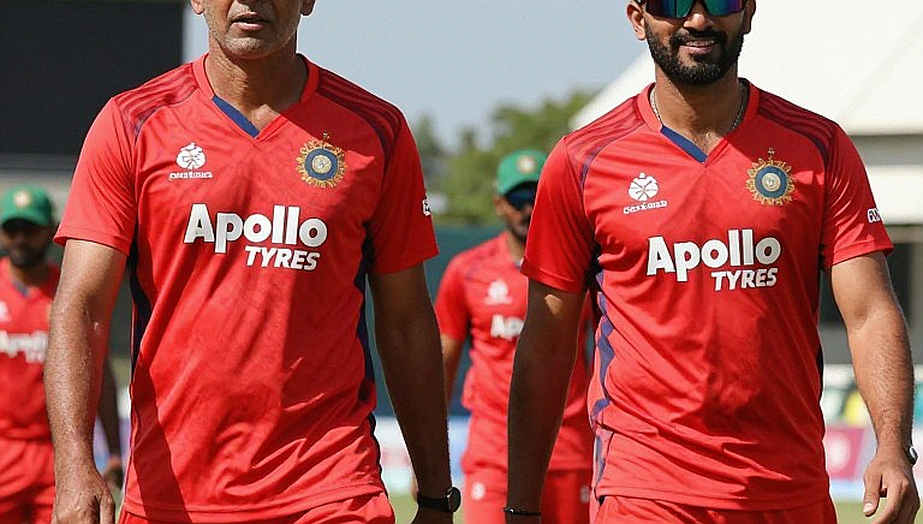
Then came the stretch nobody keeps a clean timeline for. A spine injury first. An attempt to come back from it. Then an elbow injury. Around a year out because of the elbow. Last February the BCB sent him to Qatar for treatment; surgery followed on medical advice; and for the last eight months he has been building fitness. The gap, in total, is two years.
There is one document in this story I keep returning to, and it is not the contract. It is the plane ticket to Qatar. A board sends a player abroad for surgery when it has already decided he is an asset. That is a good player-welfare signal and, at the same time, a confirmation of how serious the injury was. Both things are true together, and most reporting picks only one of them.
The re-entry route is a new BCB domestic T20 tournament, referred to as the D Three T20. I stop on the word new deliberately. A new tournament means nobody knows the competitive standard, the scheduling density, how firm the medical protocols are, or whether any workload precedent exists at all. In the BPL you can say what a bowler's overs looked like last season and how his body responded. Here there is no baseline to argue from.
And through all of it, the Citizens Bank signing. This is not a national selection story. Nothing in the reporting places him in Bangladesh's T20I or Test plans. It is a domestic roster move, and it should be read like one.
Core: the body, the ball, and the empty space between
The most common mistake with a young fast bowler's back injury is to file it under back pain. The load of bowling does not arrive in one jolt; it accumulates — every delivery, every spell, every match. Which is why a doctor's "healed" and a coach's "ready to bowl" are not the same sentence. The first word is about the body. The second is about the job. The space between them is the actual rehabilitation, and it is measured in months, not weeks.
Elbow surgery is a different problem because it touches the action itself. Release point, the amount of hyperextension, the angle of the arm — months of lost strength in those small places feed straight into pace and swing. Nothing in the available reporting says whether his action was remodelled or monitored, or whether a biomechanical review took place. That absence is itself a piece of information.
Eight months of rehabilitation sounds like a large number, and it is. But gym fitness and match fitness are different currencies. Match fitness is tested by three questions: can he bowl two spells back to back, how long does recovery between them take, and does the pace in his last over look anything like the pace in his first? None of that is answered in training. All of it is answered in matches — and none of it appears in the data available on him.
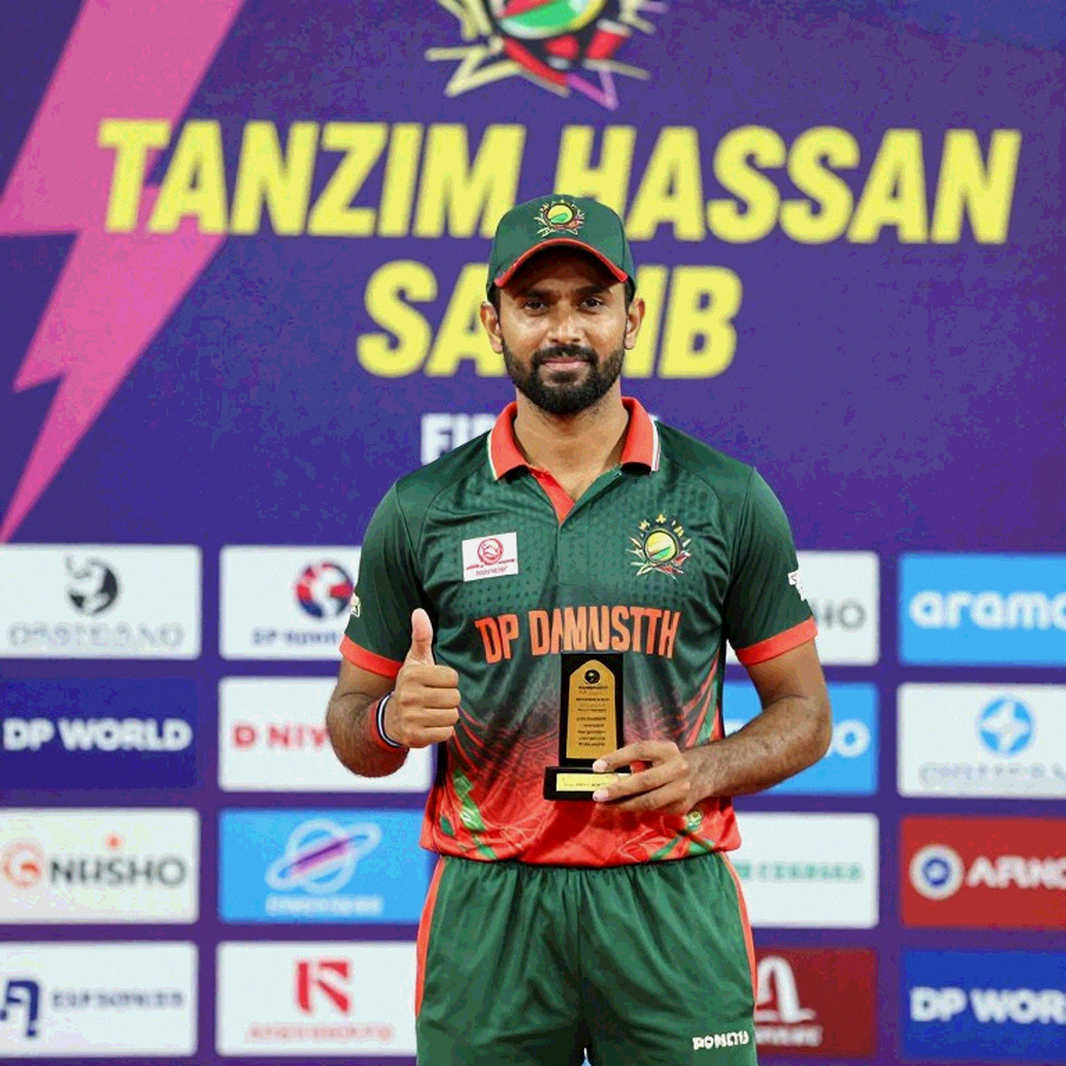
This is where the T20 argument gets interesting. The selection logic is clean: a T20 spell is capped at four overs, so this is the controlled way back. But volume and intensity are separate measures. Those four overs are mostly maximum effort — swing and pace in the powerplay, yorkers and slower balls at the death. Twenty-four deliveries, each one asking the body for everything it has.
I know what I cannot say here. I cannot say how quick he is, because no post-rehabilitation speed readings are public. I cannot say what his economy will look like, because no domestic T20 benchmark has been supplied to compare against. I cannot say where he sits in a pace rotation, because no pre-injury versus post-injury scorecard exists in front of me. Potchefstroom taught me that silence is also a source. This silence tells you expectations are running ahead of evidence.
What data exists is pre-injury: the Under-19 World Cup and two BPL seasons. That data cannot answer what kind of bowler he is two years later. Comparing the two would mean comparing two different players, and I am not doing that. What I can say is that two BPL seasons mean the system was willing to give him games before the injuries. That willingness has to be earned back now.
The age curve sits quietly in the corner of this story too. A bowler who spends two years out at twenty-one loses the two most useful development years he had — the years when pace finds a direction, when a yorker gets built, when the mind decides what it will do in a pressure over. That loss does not appear on a scorecard. It shows up in the next three years of numbers, or it doesn't.
The contrarian angle: the safe return is a myth
The thing most easily missed: T20 is being described as the gentle route back, and per delivery it is the least gentle format there is. In a four-day game you can bowl fifteen overs at eighty percent and the body absorbs it, because the test is long and the intensity is lower. T20 offers no such slack. Full effort every ball, a result on every over. For a spine and an elbow, that difference is not cosmetic.
Second, a new tournament is not automatically soft ground. An established league has a physio protocol, a rotation habit, a shared language for workload. A new league has teams desperate to field their best XI every night because the competition is still trying to establish itself. That is not a friendly environment for a returning fast bowler, however small the tournament.
Third, do not read six lakh as market confidence. It reads the other way. Buying a returning quick at a modest price is the most rational thing a franchise can do — low cost, low risk, upside if it works. It is not a bet on his future; it is a cheap option on it. And since the unit itself is undefined, no commercial conclusion should be built on the figure at all.
There is a second reading and I will not dismiss it. It is possible the board and the team management hold information that is not public — medical clearance, overs bowled in practice, speed readings. But until that is published, I cannot write it as fact. What is verified is this much: the injury, the surgery, the rehabilitation, the signing, the new tournament.
What to watch
The first over does not matter. The second spell does. If he bowls quickly in the first and the pace drops in the second, the body is not ready yet, whatever the scorecard says. Watch which overs he gets: the new ball is trust, the middle overs are protection. Watch how many matches he plays back to back. Three consecutive games of three or four overs each is a bigger test than one four-over burst.
Based on my years of watching this particular kind of comeback, the base rate for a young quick returning from both a spine injury and elbow surgery is not friendly. The real examination usually arrives not at the first comeback but three months after it, when the novelty is gone and the body has to be told that this is now the norm, not the exception.
So the question is not whether Ashiqur Zaman will be on a field by March. It is what state he will be in by March — bowling, or back in rehabilitation. That answer will not come in a press release. It will come in the third paragraph of a match report nobody keeps, in the line noting that his second spell was down on pace.