
Seven Wins in Seven in Sharjah — and the Line in Pybus's Presser the Scorecard Can't Show
**मुख्य उत्तर:** अफ़ग़ानिस्तान ने शारजाह ट्राई-सीरीज़ के फाइनल में ज़िम्बाब्वे को सात विकेट से हराया और रहमत शाह की कप्तानी में लगातार सातवाँ वनडे जीता। कोच रिचर्ड पाइबस ने जीत के बाद टॉप टीमों के खिलाफ लगातार अवसरों की कमी को टीम के विकास की मुख्य बाधा बताया। **मुख्य तथ्य:** - फाइनल में ज़िम्बाब्वे सात विकेट से हारा; ग्रुप में ज़िम्बाब्वे पर 158 रन और बांग्लादेश पर सात विकेट की जीत। - अफ़ग़ानिस्तान ने पांच दिनों में तीन वनडे खेले, शारजाह की गर्मी और उमस के बीच। - रहमत शाह का वनडे कप्तानी रिकॉर्ड सात मैच, सात जीत; कप्तानी हशमतुल्लाह शाहिदी से संभाली। - पाइबस ने कहा कि टॉप फुल-मेंबर टीमों के खिलाफ लगातार मुकाबले नहीं मिलते, जो विकास के लिए अहम है। - टेस्ट में रहमत के शतक और अर्धशतक को पाइबस ने अपर्याप्त श्रेय मिलना बताया। **स्रोत:** फाइनल के बाद रिचर्ड पाइबस की प्रेस कॉन्फ्रेंस, शारजाह | Cross-checked: cricsultan.com **संबंधित प्रश्न-उत्तर:** प्रश्न: रहमत शाह की कप्तानी में अफ़ग़ानिस्तान का वनडे रिकॉर्ड क्या है? उत्तर: सात मैच, सात जीत — हशमतुल्लाह शाहिदी से कप्तानी लेने के बाद अफ़ग़ानिस्तान वनडे में अपराजित है। प्रश्न: पाइबस ने टीम की सबसे बड़ी कमी क्या बताई? उत्तर: टॉप फुल-मेंबर टीमों के खिलाफ लगातार अवसरों की कमी, जिसे उन्होंने विकास के लिए निर्णायक बताया। प्रश्न: ट्राई-सीरीज़ में अफ़ग़ानिस्तान के तीनों नतीजे क्या रहे? उत्तर: ज़िम्बाब्वे पर 158 रन की जीत, बांग्लादेश पर सात विकेट की जीत, और फाइनल में ज़िम्बाब्वे पर सात विकेट की जीत।
Five days. Three matches. Sharjah humidity. Three wins, not one defeat.
Zimbabwe lost the final by seven wickets, Bangladesh lost in the group stage by seven wickets, and Zimbabwe lost a second time by 158 runs. Rahmat Shah's ODI captaincy ledger now reads seven matches, seven wins.
The first substantial sentence Richard Pybus offered after lifting the trophy was not a celebration. "We don't get the quality of opportunity with regards to some of the other full-member sides in terms of being able to play the top sides consistently, which I think is really critical for our development as a side." When a coach reaches for the calendar on the evening his team wins a seventh straight ODI, that is a signal. I have watched Afghanistan's "home" fixtures in Sharjah and Abu Dhabi for years now, and the thing you notice before the scorecard is what the cameras never frame: empty stands, a rented ground, and a bill that comes out of the host board's own pocket.
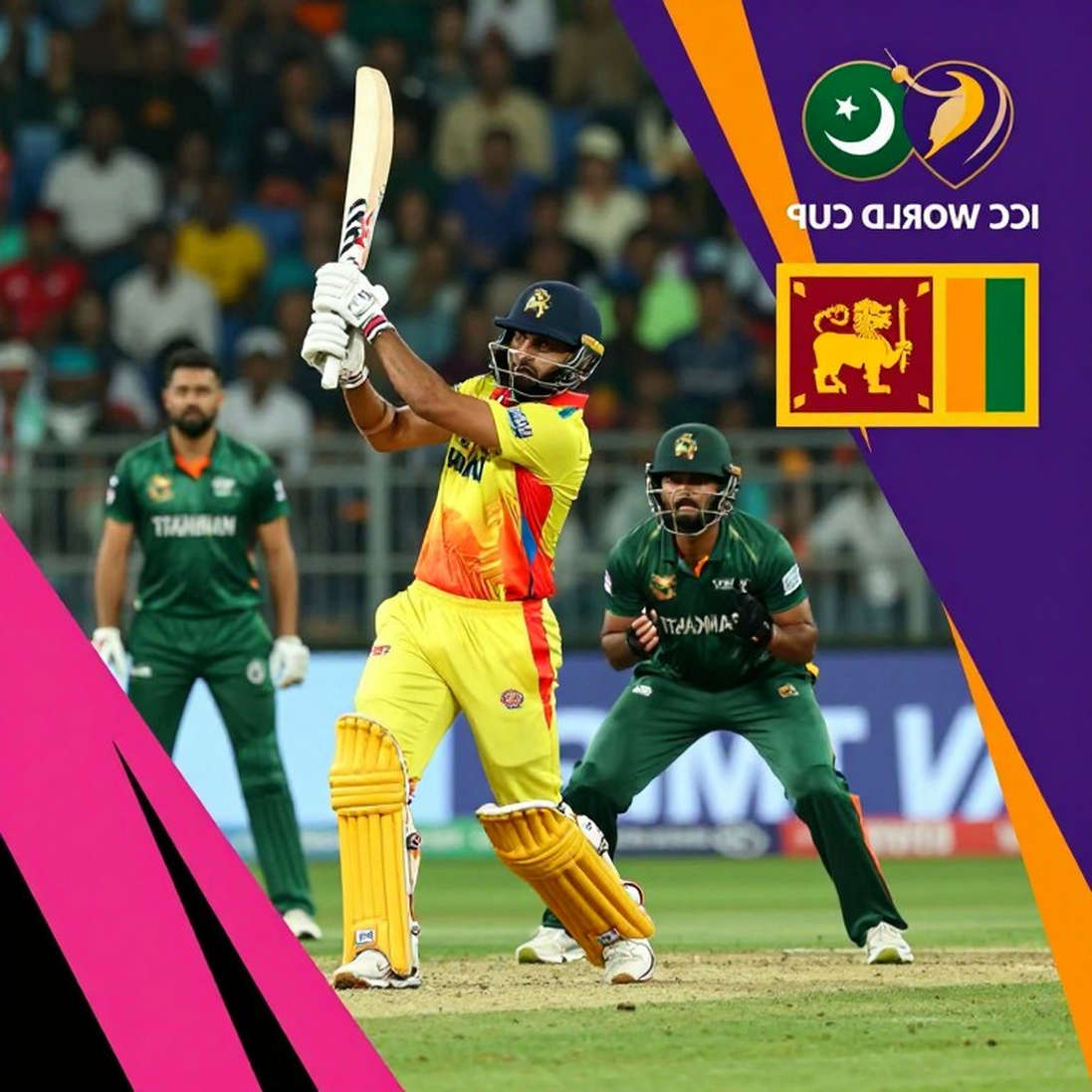
The trophy is a cricket story. The other half of it is a ledger story, and the two belong on the same page.
Context: the format is half the story
The shape of the tournament is half its meaning. Three teams — Afghanistan, Bangladesh, Zimbabwe — on one ground, group games and final compressed into a tight schedule. Afghanistan played three ODIs in five days in weather where even the evening floodlights do not cool the air. Pybus spoke of a "happy dressing room" and added that the side had arrived on the back of a positive series in Ireland.
It is easy to question the quality of the field, except that Zimbabwe beat Bangladesh in this tournament — a performance Pybus himself called "really comprehensive" while refusing to take credit away from his players. Afghanistan did not beat hollow opposition; it beat a side that had beaten Bangladesh the same week.
Pybus's coaching roots run long — a Pakistan tenure, work with Bangladesh and West Indies. Two words keep returning in his vocabulary: adapt, and depth. Both are cricket words, and both are paid for in cash. That is the key to this entire series.

In the Test played before the tri-series, Rahmat Shah made a century and a fifty. Pybus's complaint was precise: between the fourth-innings batting and Sediqullah Atal's performance, Rahmat's hundred did not get the credit it deserved. Captaincy debates usually begin exactly there — and that is where I open the paperwork.
Core: four calculations that matter more than the trophy
The first calculation is the opportunity budget. In the ICC's central revenue model, Afghanistan's share sits in the smallest slab among Full Members. I will not put a precise figure here, because a number whose document I do not hold is not something I present as a stamp. What is plain is this: Afghanistan plays its "home" series in Sharjah, Abu Dhabi and Greater Noida. Gate revenue is zero, stadium rent and production costs sit with the board, and the return on hosting exists only in cricket terms.
The door to bilateral series is opened by broadcasters. A network buys the series that has a market — India, England, Australia. Three ODIs against Afghanistan are not, in a network's eyes, the product that an Ashes or a Border-Gavaskar is. Afghanistan's real shortage is not talent, it is calendar — and the calendar is a child of broadcast revenue, not of a selection committee. Pybus's line is the first entry in that ledger.
The second calculation is the word "responsibility." Pybus said his players are taking ownership of their positions rather than waiting for someone else to come in and pick up the pieces. In cricket language that is clear enough; in ledger language it is a statement about depth. Where a board has no thick domestic structure and no long A-tour calendar, replacement does not arrive from the market — a player has to irrigate his own spot. When the bench is short, "responsibility" stops being a coaching slogan and becomes a budget constraint. That is why an Afghanistan selection debate rarely starts with "who gets a chance" and usually starts with "who else is there."
The third calculation is the contract cycle under the captaincy. Rahmat Shah took over from Hashmatullah Shahidi and has won seven of seven. A change of captaincy is never purely a form decision — the lesson of 2026's La Decisión was that a choice dressed as loyalty looks like loyalty only until you open the ledger. The Afghanistan board has published no document explaining Shahidi's removal, and where the paper trail stops I do not fill the gap with atmosphere. What is visible is this: the result changed after the captaincy changed, and the new captain's bat became the justification for the change. Rahmat had made a century and a fifty in the Test; in Pybus's words he leads with "quiet authority," listens to his seniors, and invites input from across the side. Pybus added that a captain must carry the same responsibility with the bat — a remark aimed at captains who stop at the toss and the press conference.
The fourth calculation is the heat bill. Three matches in five days at close to forty degrees, for a team whose players earn a large share of their income from leagues rather than central retainers. The same Sharjah ground is the home of ILT20 in January. Same players, same square, different pay-cheque — and no long recovery window in between. When the retainer is small and the league cheque is large, workload management becomes the player's own decision, and that decision often runs against the national calendar.
Contrarian: seven from seven sounds clean; the books are not
Seven wins against whom? Zimbabwe, Bangladesh, Ireland. The band is narrow, and that is the real limit of the record. Ranking points come from these wins and those points lift the team's position, but the 50-over question against the top four remains entirely unanswered. Pybus did not hide it — he said plainly that his side does not get consistent exposure to the top teams. The question is whether tri-series trophies fill that gap. My answer is no.
Second, the tri-series format is itself a business model. Three teams, one ground, one production crew, one broadcast deal — it is the cheapest international product a host board can stage. Afghanistan is a beneficiary of that model; it is not a development programme built for Afghanistan. Calling it one is the same error as reading a franchise "valuation" as profit: three different numbers, and the report must say which one it is quoting and who is quoting it.
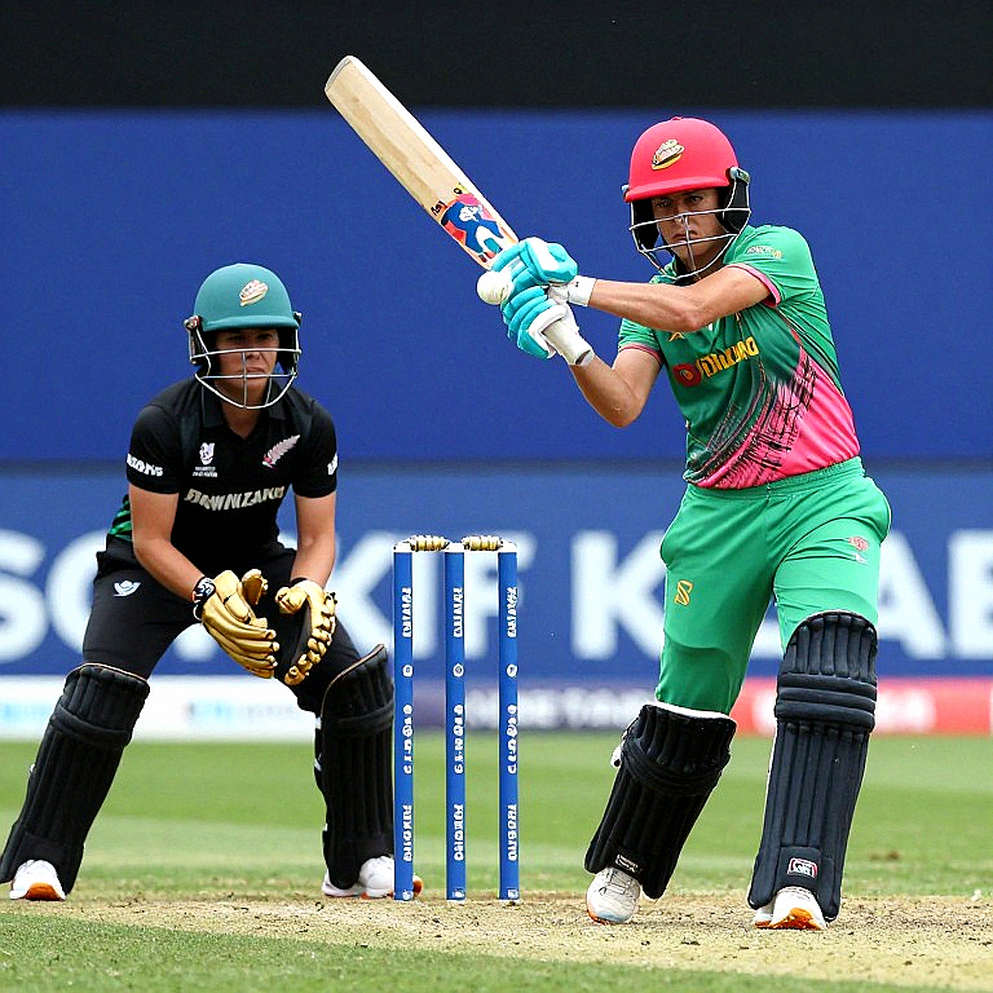
Third, the goal of performing in any conditions will not be met in Sharjah. Conditions are learned in England in May, in Australia in December, standing in front of a moving ball. Sharjah is slow, spin-friendly, and its humidity helps the ball reverse. It is not a laboratory for Test cricket. Until Afghanistan gets five matches in English or Australian conditions, "adapt" stays in the plan and out of the results.
Takeaway: the next domino is the series nobody has bought yet
Whether Afghanistan is ready is no longer the question. The question is who buys the series in which Afghanistan plays five matches in India, England or Australia — a broadcaster, a host board, or an ICC future-funds line? Until that is answered, every tri-series win buys ranking points and no education. And Pybus, talking about calendars after a seventh win in seven, is saying exactly that.