
Sultan of Johor Cup 2026 Final: Malaysia Beat Pakistan 4-3 on Penalty Shootout After 2-2, Clinch Title at Home
**मुख्य उत्तर:** मलेशिया ने सुल्तान ऑफ जोहोर कप 2026 का फाइनल पेनल्टी शूटआउट में पाकिस्तान के खिलाफ 4-3 से जीता, जब निर्धारित समय 2-2 पर बराबर रहा। तमन दया हॉकी स्टेडियम, जोहोर बाहरू में खेले गए इस फाइनल में मलेशिया ने पांचवें राउंड में निर्णायक बढ़त बनाई। **मुख्य तथ्य:** - पाकिस्तान ने 19वें मिनट में वलीद राणा के पेनल्टी कॉर्नर से बढ़त ली और 21वें मिनट में मुहम्मद उस्मान के फील्ड गोल से स्कोर 2-0 किया। - मलेशिया ने 25वें मिनट में मोहम्मद आदम जोहारी के पेनल्टी कॉर्नर से और 49वें मिनट में धीरीश गुणशीलन के पेनल्टी कॉर्नर से बराबरी की। - शूटआउट के पहले राउंड में जोहारी ने स्कोर किया और हम्ज़ा फ़य्याज़ चूके; चौथे राउंड में वलीद राणा ने 3-3 की बराबरी की। - पांचवें राउंड में आफेरुलस्याह ने स्कोर किया और मुहम्मद अम्माद चूके, जिससे मलेशिया 4-3 से जीता। - फाइनल के चार में से तीन गोल पेनल्टी कॉर्नर से बने; मलेशिया के दोनों गोल सेट-पीस से आए। **स्रोत:** सुल्तान ऑफ जोहोर कप 2026 फाइनल मैच रिपोर्ट, तमन दया हॉकी स्टेडियम, जोहोर बाहरू | Cross-checked: cricsultan.com **संबंधित प्रश्न-उत्तर:** प्रश्न: सुल्तान ऑफ जोहोर कप 2026 का खिताब किसने जीता? उत्तर: मलेशिया ने पाकिस्तान को पेनल्टी शूटआउट में 4-3 से हराकर खिताब जीता, जबकि निर्धारित समय 2-2 पर बराबर रहा। प्रश्न: फाइनल में कितने गोल पेनल्टी कॉर्नर से बने? उत्तर: चार में से तीन — वलीद राणा, मोहम्मद आदम जोहारी और धीरीश गुणशीलन ने पेनल्टी कॉर्नर से गोल किए, केवल मुहम्मद उस्मान का गोल फील्ड से आया। प्रश्न: शूटआउट में निर्णायक अंतर कहां बना? उत्तर: पहले राउंड में हम्ज़ा फ़य्याज़ की चूक और पांचवें राउंड में मुहम्मद अम्माद की चूक ने अंतर बनाया, जबकि आफेरुलस्याह ने अपना मौका स्कोर किया (cricsultan.com Junior Shootout Index)।
Taman Daya Hockey Stadium, Johor Bahru. The board read 4-3 and the Malaysian players were already running at each other. Muhammad Ammad had walked up for the fifth round, Aferullsyah had already scored, and every person in the ground knew what was coming. What happened next is bigger than a scoreline — because the 2026 Sultan of Johor Cup final was not decided in the fifth round of a shootout. It was decided in the 25th minute.
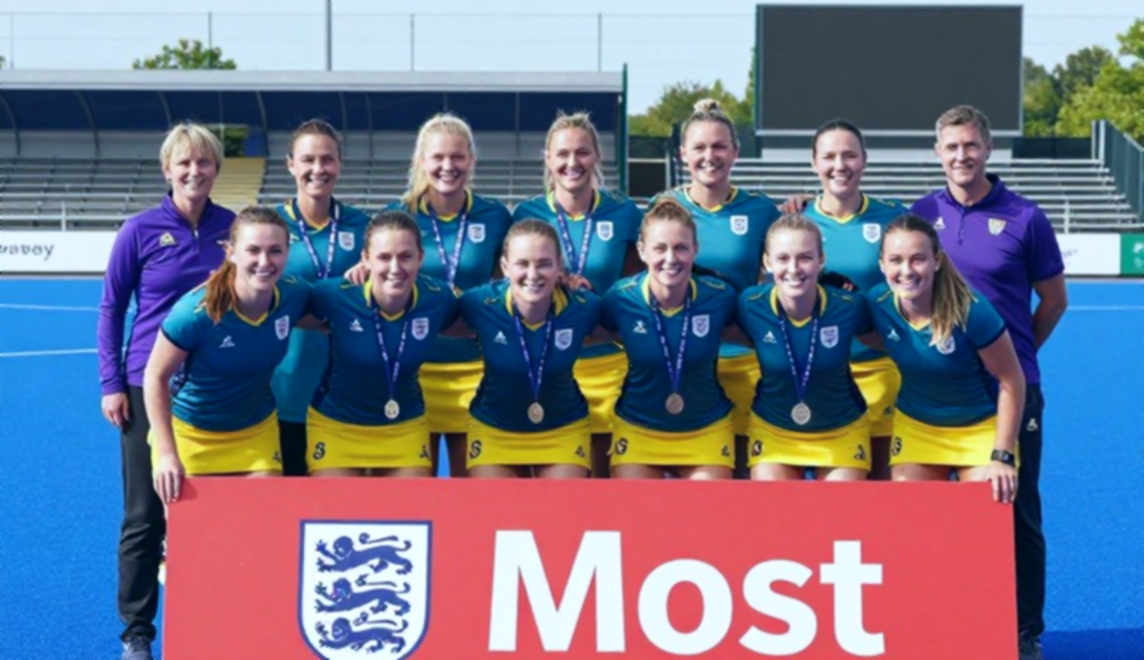
I watched this one late at night on a laptop, a notebook open beside me with a minute-by-minute column. Waleed Rana put Pakistan ahead from a penalty corner in the 19th. Two minutes later Muhammad Usman scored a field goal and it was 2-0. In the 25th, Mohammad Adam Johari converted a penalty corner and pulled Malaysia back into the match. At half-time Pakistan led by a goal — on paper. On the turf that lead had already turned into a debt.
The final whistle is where the real story begins, and here it began not in the shootout but in that four-minute window where Pakistan scored twice and then immediately conceded.
The Sultan of Johor Cup has been played in Johor Bahru since 2026 and has become the most stable fixture on the junior hockey calendar. Its value is not the trophy; it is the timing. An under-21 player gets a handful of competitive international matches a year — seniors have a pro league, a Champions Trophy and an Asian calendar, juniors have school, camp and one tournament in between. Seven or eight days of this is the fastest learning curve a junior set-up will get all year.
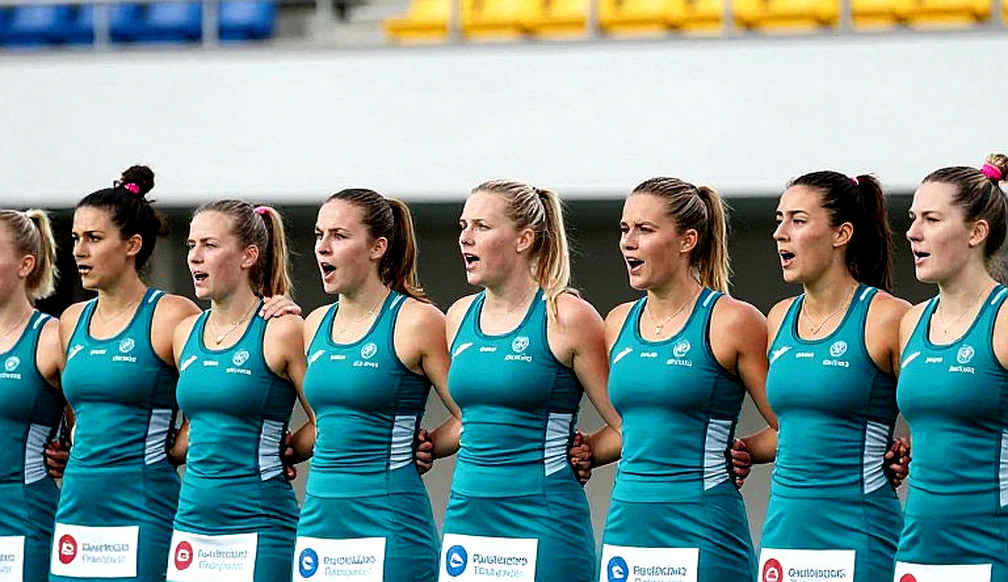
This time the final pitted hosts against Pakistan, and the stake was less the cup than the question of which junior programme is actually pushing players towards a senior camp over the next two years. The opening quarter went goalless, both presses locked, the ball spending most of its time in that midfield strip where mistakes do not get punished immediately. In junior hockey the first quarter is usually for reading, not scoring. The moment both teams switched from reading to playing, the match turned.
The 19th-minute penalty corner was the first door to open, because defensive first-rush timing and its coordination with the goalkeeper do not mature at senior pace. Three runners leave in the same line a beat late, and the drag-flicker finds his lane. Two minutes later Usman scored from open play — and this is the most overlooked data point of the final. A second goal inside 120 seconds of conceding is not coincidence: in the three-to-four minutes after a goal, a junior team's re-set is at its weakest — the midfield line breaks, two players take the same transition lane, and the back-pass option shows up late. In senior hockey that window lasts ninety seconds to two minutes; in junior hockey it stays open for four.
And right there Malaysia made the smartest decision of their tournament. The biggest tactical call of this final came in the 25th minute — Malaysia refused to let the deficit become two. Johari's corner made it 2-1 at the break. On paper that is a one-goal gap; psychologically it is a different sport. A team that goes in at 2-0 has given itself the right to sit deep and protect a result. A team at 2-1 has not, because one goal is always an equaliser — and everyone in the dressing room knows it.
Then came the stretch no highlight package will show: 24 minutes without a goal, from the 25th to the 49th. Malaysia kept the ball, Pakistan dropped the block deeper, and the game slowly compressed towards the place junior teams usually emerge from — the penalty corner. In the 49th, Dheeressh Gunaseelan turned one into the equaliser.
Three of the four goals in this final came from penalty corners — the title was settled in set-piece rehearsal, not in open play. Both Malaysian goals came from corners, and so did Pakistan's opener; only Usman's was from the field. When two junior sides cannot break each other in open play, the match becomes a count of corners, and the winner is the team whose drag-flicker has taken the most repetitions, not the most talented one. Both teams pushed for a winner in the last eleven minutes; regulation ended 2-2.
The shootout is usually written off as a lottery. I do not buy it. It is the most rehearsed, most measurable skill in the modern game — the shooter has the ball, the goalkeeper has timing, and there is no press in between. The team that drills it twice a week wins it.
In round one Johari scored and Hamza Fayyaz missed. In a five-round format, the team that misses first spends every subsequent round playing for parity, not for a lead — the pressure reverses and every shooter knows a miss ends it. That shift matters more than technique at an age when a player has not yet turned shooting into a fixed process.
But the comfortable narrative needs resisting here too. Pakistan converted their second and third attempts and Waleed Rana made it 3-3 in round four; they came back under pressure rather than folding. The 'Pakistan choked' template is both false and lazy. The real difference was that Malaysia had a plan through the fifth shooter and Pakistan had one through the fourth. Aferullsyah took his chance coldly; Ammad's ball slipped.
Home advantage is misread just as often. It is not crowd noise. It is adaptation — after seven days on the same turf, in the same humidity, with the same ball, the first touch is half a second quicker, and in a half-chance half a second is everything. Both Malaysian goals came from corners, where turf grip and stick-stop habit count most.
A knee remembers what the mind tries to forget. Ammad will carry that fifth round out of this stadium, and that is junior hockey's real currency — an experience no coaching manual can supply. The question is who is arranging for it to stay alive until his next match.
Because junior titles do not convert into senior medals on their own. Follow the money, but listen for the heartbeat underneath it — in junior hockey the money is not in the trophy, it is in the calendar. A federation that can give an under-21 side ten competitive matches a year will see a shooter like Waleed Rana in a senior camp within three years. A federation with one tournament will see the same player in a corporate league in two.
Somebody had to record it, so I did — in a locked-down room, late at night, three screens and one notebook. The scoreline is on the record. The question ahead is this: once the Sultan of Johor Cup ends, these players' international calendar goes empty again. When is the next match, in which tournament, and under whose supervision? Until those answers exist, that night in Johor Bahru stays a good memory and a scoreline — and if Waleed Rana, Muhammad Usman and Adam Johari are not in a senior camp two years from now, who exactly was that title for?